• April 30, 2026
  • Last Update April 30, 2026 6:41 am
  • India

Blog

Mahajanapadas

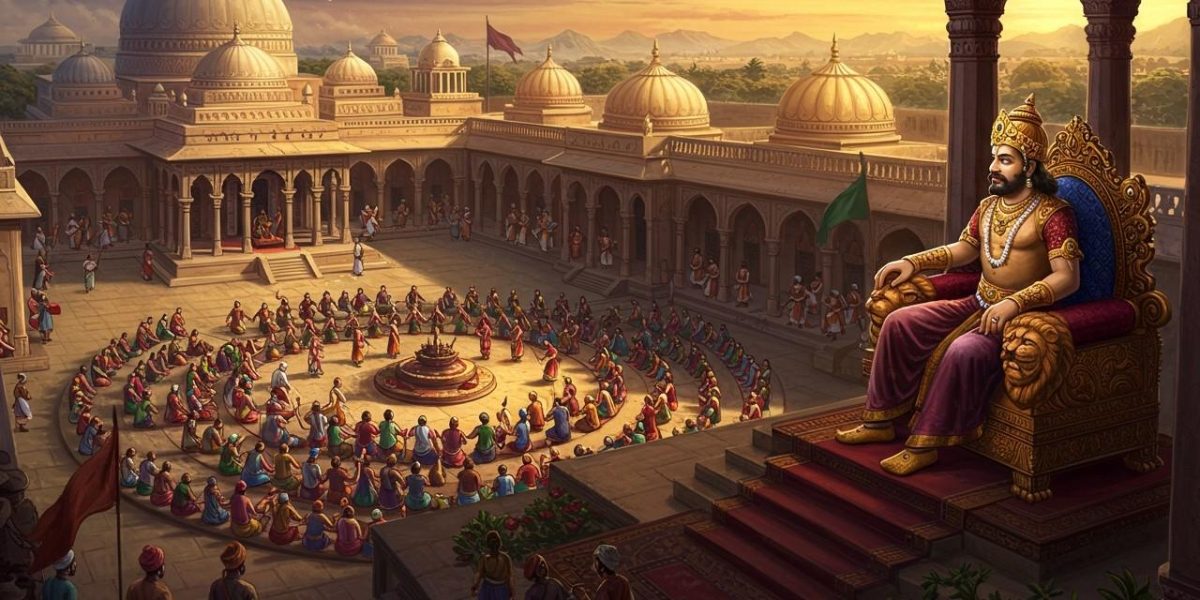
राजतंत्र (Monarchy)

परिचय राजतंत्र वह शासन व्यवस्था है जिसमें सत्ता एक व्यक्ति, अर्थात राजा, के हाथ में केंद्रित होती है। महाजनपद काल में यह सबसे प्रचलित शासन प्रणाली थी। इस व्यवस्था में राजा को राज्य का सर्वोच्च शासक माना जाता था और उसका पद सामान्यतः वंशानुगत होता था, यानी राजा के बाद उसका उत्तराधिकारी उसका पुत्र या […]

Read More

Mahajanapadas

गणतंत्र (Republic)

Nmply dummy text of the printing and typesetting industry. Lorem Ipsum has been the industry’s andard dummy text ever since the 1500s, when an unknown printer took a galley of type andser crambled it to make a type specimen book. It has survived not only five centuries, but also the leap into electronic typesetting, remaining. […]

Read More
अंगुत्तर निकाय बौद्ध धर्म Buddhism

अंगुत्तर निकाय बौद्ध धर्म

अंगुत्तर निकाय का विस्तृत परिचय अंगुत्तर निकाय बौद्ध धर्म के प्रमुख ग्रंथों में से एक है, जो त्रिपिटक के सुत्त पिटक का हिस्सा है। इसमें गौतम बुद्ध द्वारा दिए गए उपदेशों का विशाल संग्रह मिलता है। “अंगुत्तर” का अर्थ है—क्रमशः बढ़ते हुए तत्व, और इसी कारण इस ग्रंथ में उपदेशों को संख्याओं (1 से 11) […]

Read More
Mahajanapadas

महाजनपद (Mahajanapadas)

महाजनपद प्राचीन भारत के वे 16 बड़े राज्य या गणराज्य थे, जिनका उदय लगभग 6वीं शताब्दी ईसा पूर्व (600 BCE) में हुआ। यह काल भारतीय इतिहास में एक महत्वपूर्ण परिवर्तन का समय था, क्योंकि इस दौरान छोटे-छोटे जनजातीय समूह (जन) स्थायी रूप से बसकर संगठित राज्यों (जनपद) में बदल गए। “महाजनपद” शब्द का अर्थ है […]

Read More
Vedic Period in Indian History Vedic Period

Vedic Period in Indian History

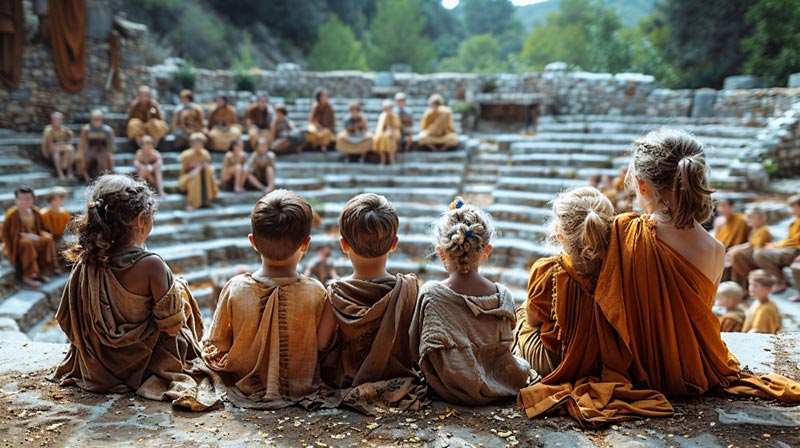
Introduction The Vedic Period (c. 1500 BCE – 600 BCE) marks the transition from the decline of the Indus Valley Civilization to the rise of early Indian civilization based on the Vedas. It laid the foundation of Indian religion, philosophy, and social structure. Early Vedic Period (1500–1000 BCE) The Early Vedic Period, also known as […]

Read More
Indus Valley Civilization Indus Valley Civilization

Advance Water Management System – Indus Valley Civilization

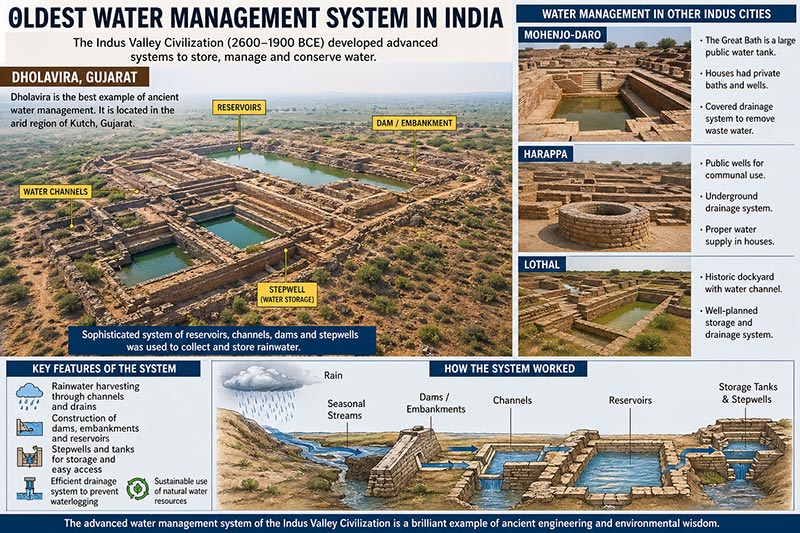
Oldest Water Management System in India  The oldest known and most advanced water management system in India dates back to the Indus Valley Civilization (around 2600–1900 BCE). This ancient civilization demonstrated remarkable knowledge of engineering, urban planning, and environmental adaptation. Despite living thousands of years ago, its people developed systems to store, manage, and efficiently […]

Read More
Mohenjo-daro Indus Valley Civilization

Mohenjo-daro

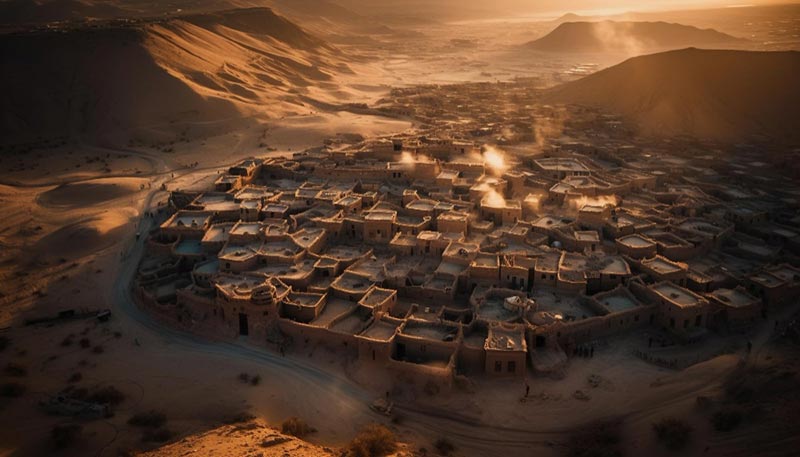
Mohenjo-daro Mohenjo-daro was one of the most advanced and prominent cities of the Indus Valley Civilization, located in present-day Sindh, Pakistan, near the Indus River. Discovered in 1922 by R. D. Banerji, Mohenjo-daro means “Mound of the Dead.” The city flourished between 2600 BCE and 1900 BCE and is considered one of the earliest examples […]

Read More
Dholavira-Indus-Valley-Civilization Indus Valley Civilization

Dholavira – Indus Valley Civilization

Dholavira Dholavira was one of the most remarkable and well-preserved cities of the Indus Valley Civilization, located in the Kutch district of Gujarat, India. Unlike many other Harappan sites, Dholavira is unique for its advanced water conservation system and distinct city planning. It flourished between 3000 BCE and 1500 BCE, making it one of the […]

Read More
Indus Valley Civilization

Indus Valley Civilization

Introduction The Indus Valley Civilization was one of the world’s earliest and most advanced urban civilizations. It flourished between 2600 BCE and 1900 BCE along the Indus River and its tributaries. It is also known as the Harappan Civilization, named after the first discovered site, Harappa. Discovery The civilization was discovered in the 1920s during […]

Read More
Harappa Indus Valley Civilization

Harappan Civilization

Harappan Civilization Harappa was one of the प्रमुख urban centers of the Indus Valley Civilization, located near the Ravi River in present-day Pakistan. Discovered in 1921 by Daya Ram Sahni, it gave its name to the entire Harappan Civilization. The city flourished between 2600 BCE and 1900 BCE and is regarded as one of the […]

Read More